

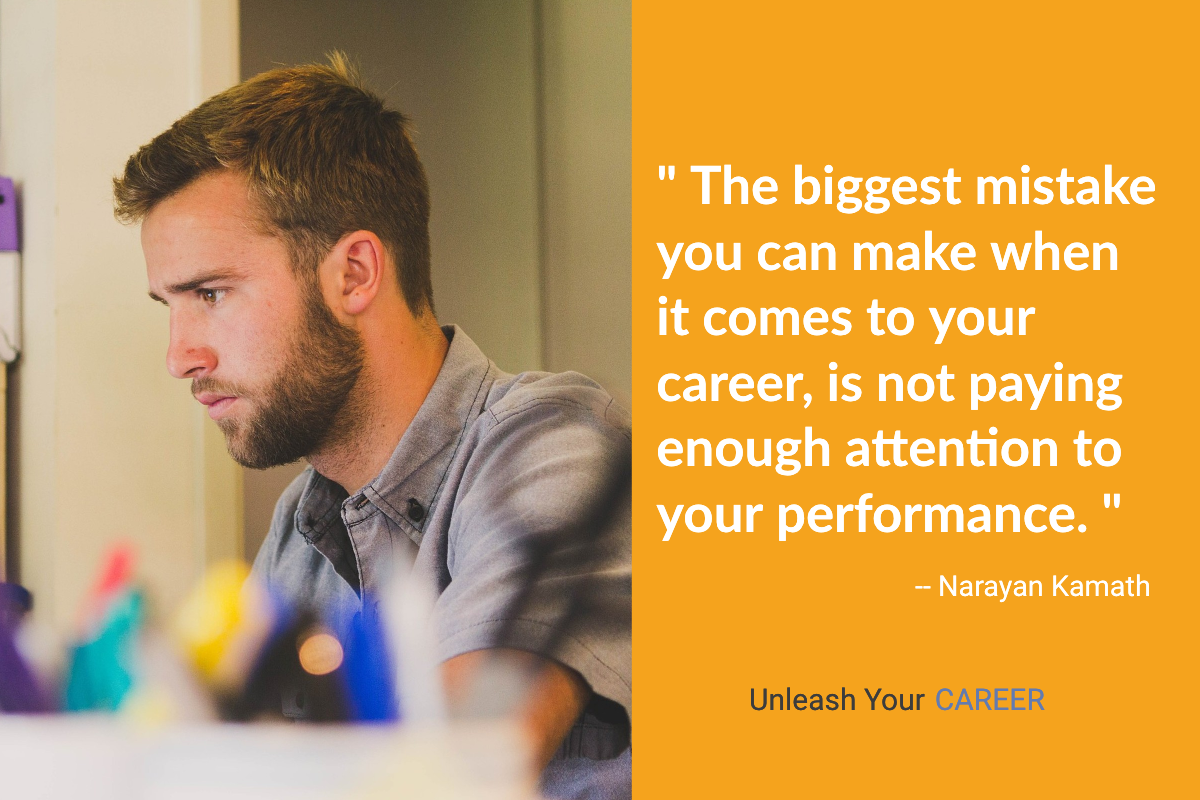
The biggest mistake you can make when it comes to your career, is not paying enough attention to your performance.
More...
"I've worked hard. Bl**dy hard! I was working 60 hour weeks - for years! It didn't make any difference. They only promote those who suck up to them."
John was upset. It was already a couple of months since his conversation with his manager - but the thought still made him angry.
John had been passed over for promotion again. This was the fourth time. His manager, the third one since he started in this role 7 years ago("They don't have any problem getting promoted!"), informed him that the promotion committee did not consider his case strong, given the other contenders.
John was bitter. He felt let down. He had been with the firm for over 15 years, and felt he had contributed quite a lot to its growth - especially in the Digital Transformation practice. He'd been working in digital transformation before it was called digital transformation!
"I'm really not sure what they want"
I suggested he ask for feedback - from his manager, and from a member of the promotion committee if possible.
"They say I'm not performing at the level they expect. They want me to take more responsibility for the overall delivery - supervise and mentor less experienced team members. Why should I do that? That's not my job!. If they want me to do that, they should promote me first "
If John came to you for advice, and you were inclined to help, what would you say?
Take a minute to collect your thoughts and feelings about this case, before reading on for my take.
My Take
John was making a mistake that is fairly common - "Not paying attention to Performance"
This can take many forms, including
- Slacking off. Not doing the work you're meant to do.
- Not meeting standards - passing off incomplete or sub-standard work to meet a quota or deadline, which requires significant revision and rework subsequently.
- Doing the bare minimum and justifying your actions by saying "that's all I'm supposed to do".
But that isn't how it works. Companies expect you to keep performing and to keep raising bar.
Also, while it may seem unfair, many companies won't promote you unless you're already performing at the level of your next role. You may not be fully competent at that higher level, but companies want assurance that you have potential, and expect you to take initiative.
If you are keen to be promoted, you should take responsibility for your performance. And it's not enough to do what's expected of you - that only gets you to keep your current job. To earn that promotion, you must keep raising the bar on your performance, and show that you are capable of performing at the next level - the level that you seek to be promoted to
John's Story Continued
This approach doesn't sit well with some people. It goes against their notion of fairness and justice.
John certainly did not agree. He felt that if the firm expected him to do more, they should first promote him.
The firm also felt justified about their decision not to promote him, since he did not demonstrate that he was ready.
A Catch 22 situation indeed!
John did not engage me as his coach. He subsequently left the firm and joined a competitor. He didn't get a bigger role - but he was able to negotiate a better package.
We haven't been in touch, but I wish he performs better and gets that promotion he wants.
Credits: Image by SnapwireSnaps via pixabay.com
